Skytech X1
Skytech X1 is a single-seat electric vertical takeoff vehicle designed for short-range urban air travel. Built in China for the 2026 model year, it delivers up to 35 km of range, 25 minutes of flight time, and a top speed of 120 km/h using an eight-rotor electric system powered by a 45 kWh battery.
User Rating: 4 / 5 (18 votes)


| manufactured in | China |
| model year | 2026 |
| battery capacity (kWh) | 45 |
| flight altitude (m) | 1000 |
| flying time (min) | 25 |
| flying range (km) | 35 |
| max. speed (km/h) | 120 |
| weight (kg) | 80 |
| passengers (qty) | 1 |
| cargo capacity (kg) | 100 |
* Minimum price set for the base trim by the manufacturer

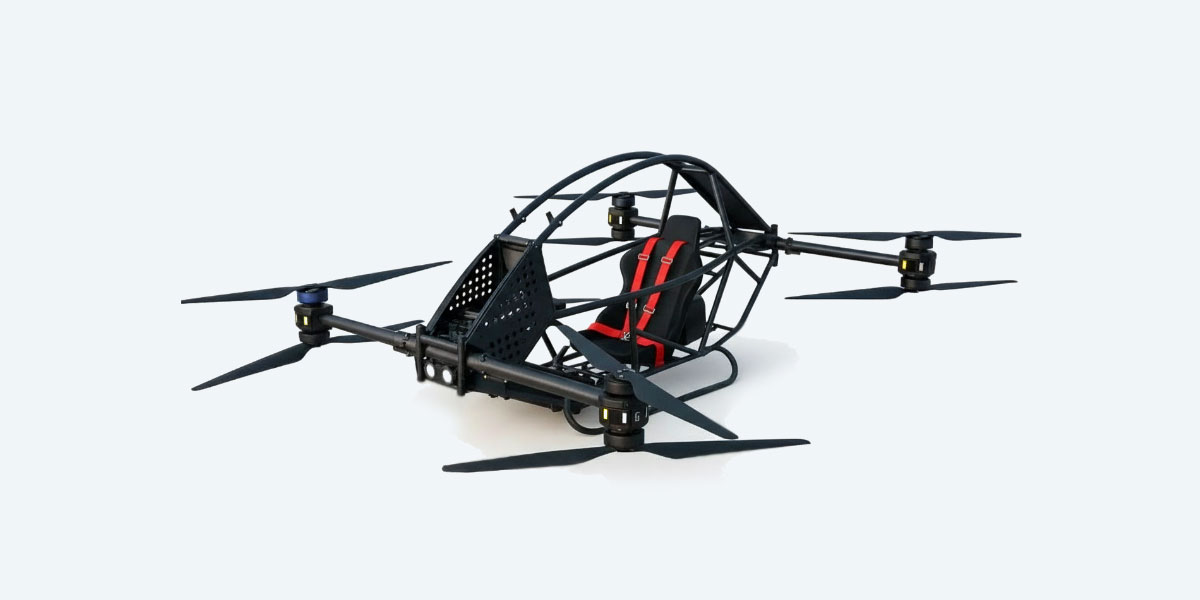
Exterior and Interior photos of Skytech X1
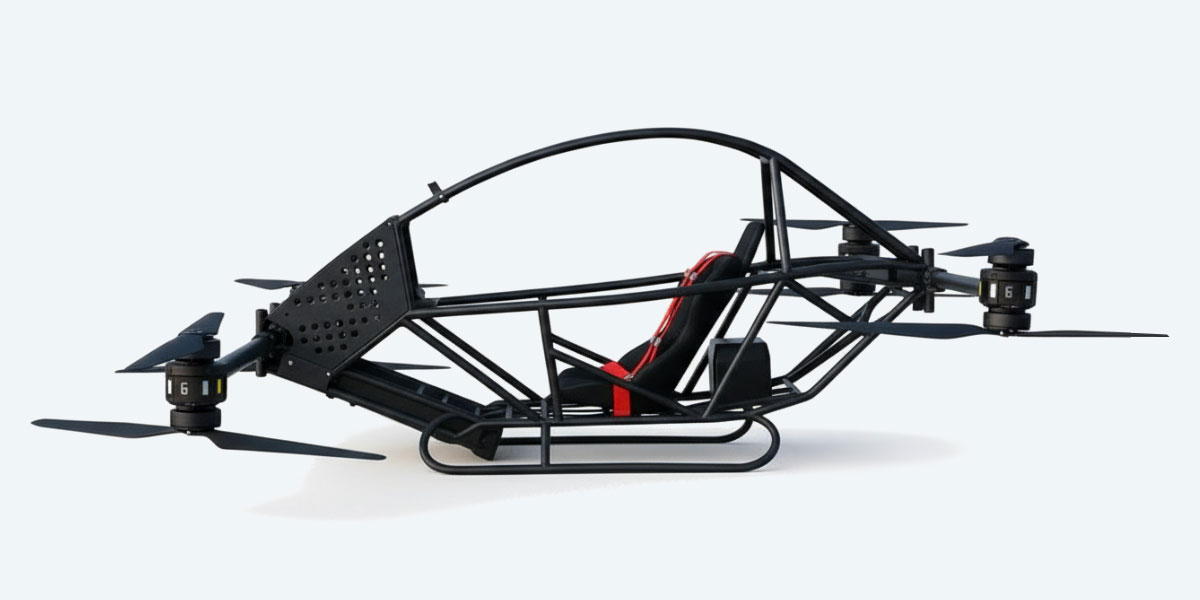
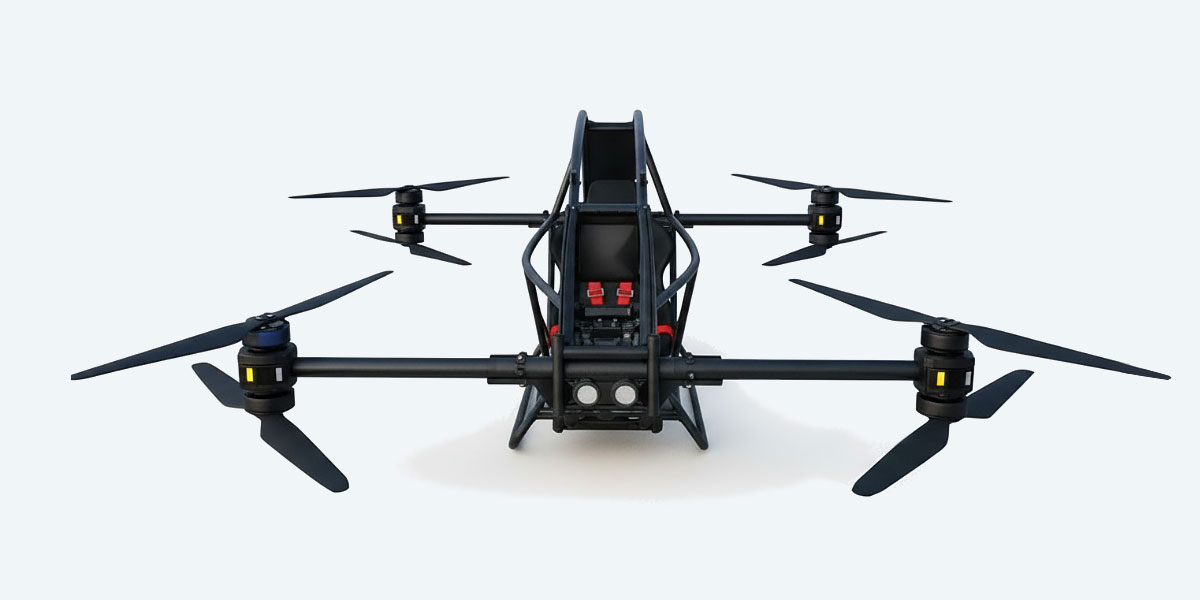
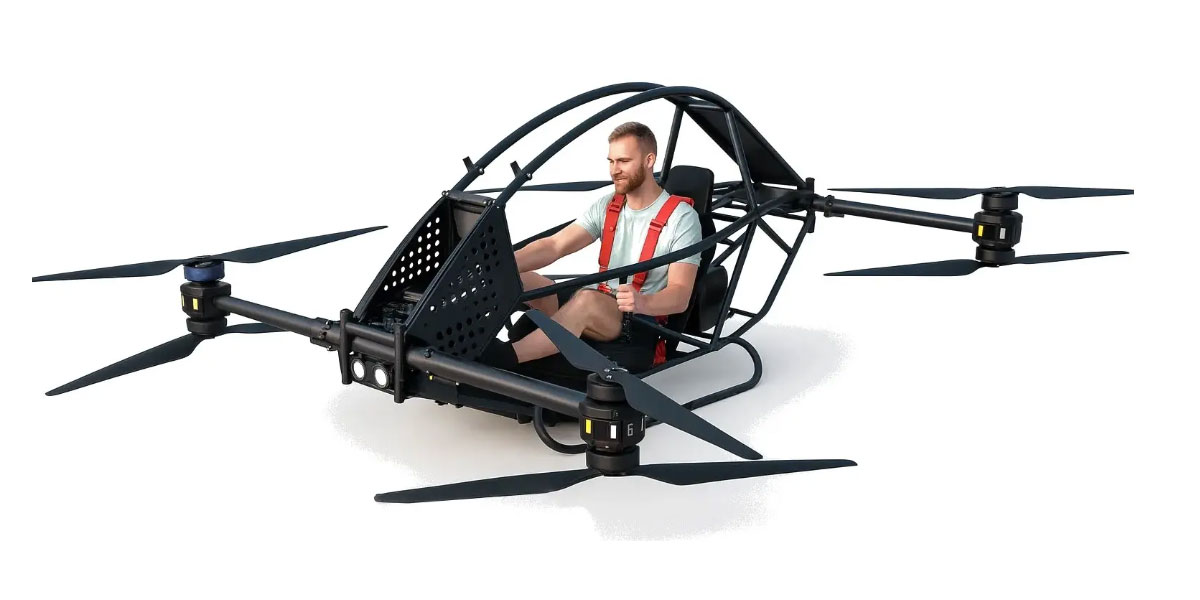
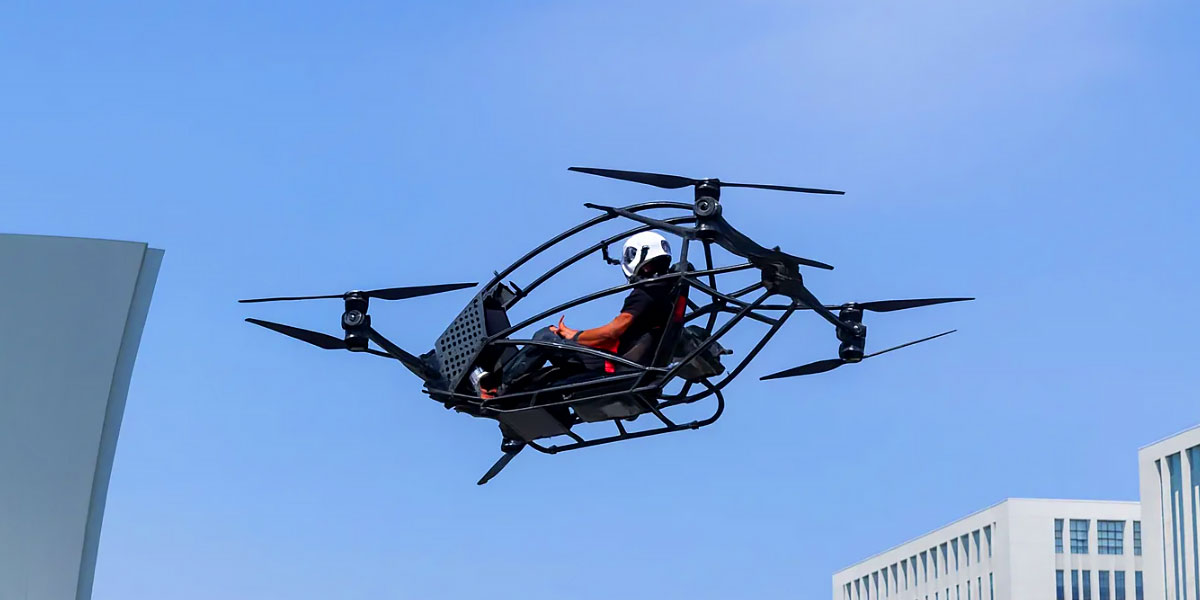
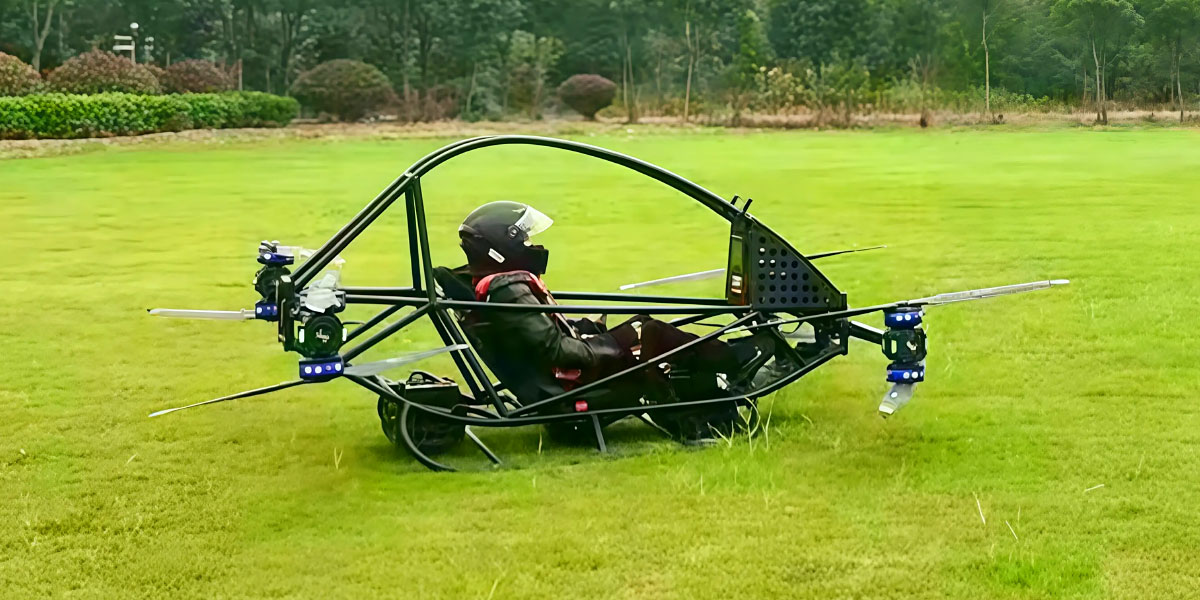
Skytech X1 Review
Skytech X1 Introduction:
Skytech X1 enters the personal aviation scene with confidence, targeting buyers who already think beyond pavement. Built in China and scheduled for first customer deliveries during 2026, this single-seat electric vertical takeoff vehicle targets urban flyers who value speed, autonomy, and clean propulsion. Category placement sits between luxury electric vehicles and light personal aircraft, with a clear focus on short-range urban hops. A fully electric multirotor system, compact footprint, and automation-first flight logic define its character. Price positioning places it in premium territory, yet well below experimental aircraft projects. The X1 speaks to early adopters who already trust electric mobility and now want vertical freedom.
- Manufacturing origin centers in China, leveraging Skytech UAV expertise from industrial drones.
- Public unveiling occurred in early 2025, marking the brand’s move into manned flight.
- Technology focus emphasizes autonomous flight logic, redundancy, and compact storage.
- Starting price begins at $125,000 USD (€105,000 EUR), positioned below many experimental aircraft.
- Market role targets premium personal air mobility rather than shared air taxi fleets.
How much does the Skytech X1 cost?
The Skytech X1 price starts at $125,000 USD (€105,000 EUR). That entry point places it firmly in the premium electric mobility tier, aimed at private owners seeking congestion-free urban travel rather than recreational flying.
| Trim Level | PRICE | KEY FEATURES |
|---|---|---|
|
Standard Base
|
Single-seat configuration, 45 kWh battery, 35 km flight range, autonomous flight assist, 8-rotor coaxial propulsion, LED navigation lighting, foldable arms.
|
|
|
Executive
|
Enhanced interior materials, expanded sensor suite, upgraded flight software, improved cabin acoustics, premium exterior finishes.
|
|
|
Sport High Output
|
Higher power output tuning, sharper response mapping, reinforced arms, sport flight profile, aggressive exterior accents.
|
Across trims, battery size and basic airframe remain consistent. Differences center on software calibration, materials, and flight responsiveness. Buyers choose refinement or sharper performance rather than extended range.
Engine, Battery, and Performance Specs:
Battery & Charging Specifications
Energy storage relies on an estimated 45 kWh lithium battery pack, optimized for short, high-demand flight cycles. Flight endurance reaches about 25 minutes, translating to roughly 35 km or 22 miles of range depending on wind and payload. Charging flexibility supports both AC and DC input. AC charging completes in about four hours, while DC fast charging reaches 80 percent in roughly 45 minutes. Thermal management focuses on stability during vertical climb phases.
- Battery capacity estimated at 45 kWh
- Flight range up to 35 km or 22 miles
- AC charge time around 4 hours
- DC fast charge to 80 percent in 45 minutes
Electric Motor Specifications
Propulsion comes from an eight-rotor coaxial distributed system delivering a combined 160 kW or about 215 horsepower. Direct-drive electric motors remove mechanical complexity while improving response. Redundancy allows controlled flight even after a rotor failure. Power delivery remains smooth and predictable, ideal for automated flight logic.
- Total output around 160 kW or 215 hp
- Eight coaxial rotors for redundancy
- Distributed electric propulsion layout
Performance Specifications
Top speed reaches 120 km per hour or about 75 mph in forward flight. Vertical climb rate measures roughly five meters per second. Maximum operational altitude caps near 1,000 meters or 3,280 feet. Payload limits include one passenger and up to 100 kg or 220 pounds of cargo depending on configuration.
- Top speed of 120 km per hour or 75 mph
- Maximum altitude near 1,000 meters
- Passenger capacity of one
- Cargo capacity up to 100 kg or 220 lb
For owners, advantages include quiet operation, predictable handling, and automation that reduces pilot workload. Urban hops feel controlled rather than dramatic.
Exterior and Interior Features
Exterior Design
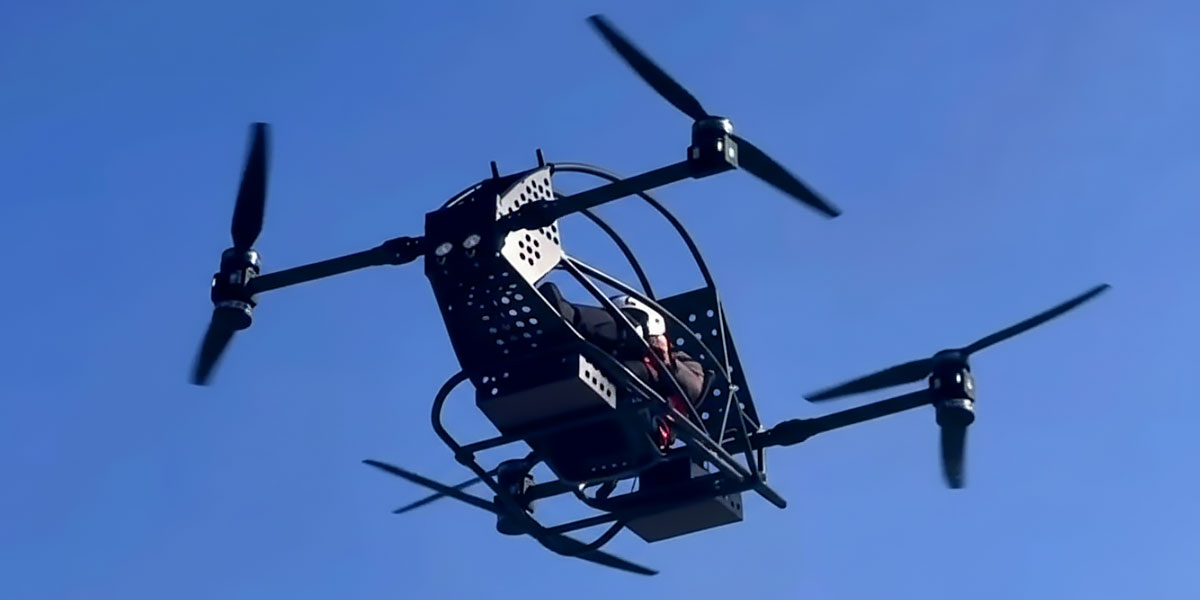
Exterior construction relies on carbon fiber paired with aviation-grade aluminum. A central aerodynamic pod anchors the design, while four folding arms carry the coaxial rotors. Folded dimensions shrink storage needs, allowing garage parking. LED navigation lighting improves visibility in dense urban airspace. Matte metallic finishes reduce glare while supporting thermal efficiency.
Interior & Technology
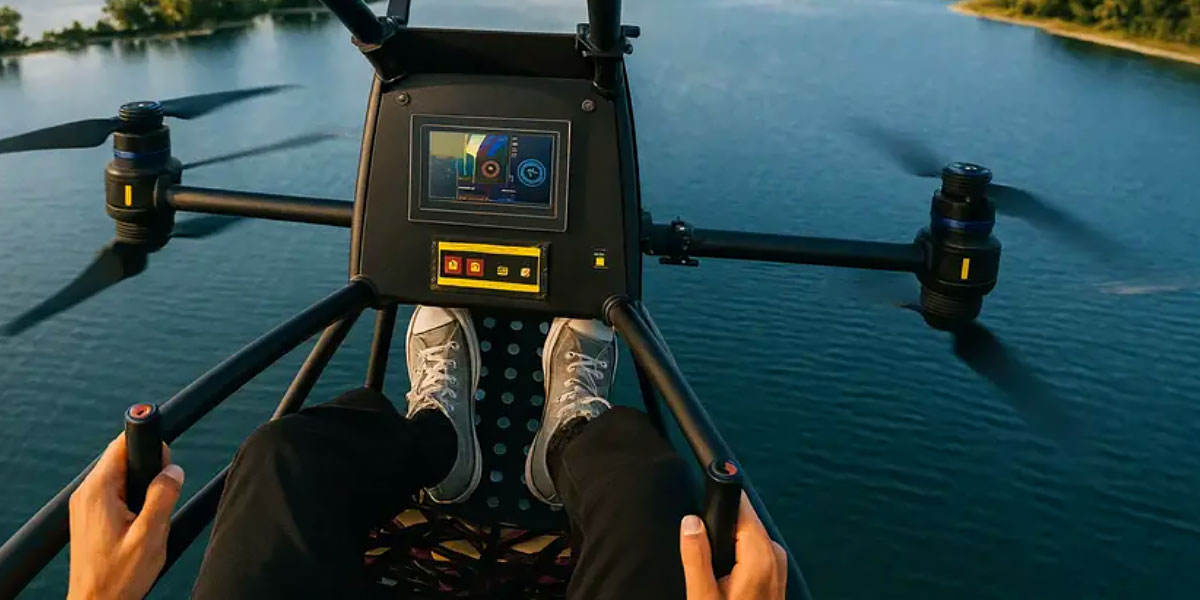
The cockpit follows a minimalist philosophy, prioritizing visibility and clarity. A panoramic 15-inch head-up display replaces traditional gauges. A central touchscreen handles navigation, diagnostics, and infotainment. 5G connectivity supports real-time weather data and traffic coordination. Seating uses lightweight synthetic materials engineered for vertical maneuver loads.
For owners, exterior compactness simplifies storage, while the interior favors clarity over clutter. Technology works quietly in the background.
Pros and Cons:
Pros
- Compact foldable design suits urban storage
- Fully electric propulsion with zero local emissions
- Advanced autonomous flight systems
- Lower entry price compared with many eVTOL peers
Cons
- Limited range restricts intercity travel
- Single-seat layout reduces flexibility
- Regulatory approval varies by region
Market position & Expert Data:
Skytech positions the X1 as a personal mobility device rather than a fleet-based air taxi. According to Reuters, global eVTOL investment surpassed $8 billion in 2025, with personal-use models gaining traction among high-income urban buyers. Research shows compact designs attract private ownership faster than large multi-seat platforms.
McKinsey research cited by McKinsey indicates that short-range urban air vehicles under 50 km account for nearly 60 percent of early adoption scenarios. Data reveals buyers prioritize automation and storage convenience over long-range capability. An aerospace analyst quoted by Reuters notes that price sensitivity remains high below the $200,000 threshold.
Summary:
Skytech X1 targets buyers who already trust electric mobility and want vertical access. Compact storage, automation-first design, and controlled pricing shape its appeal. Short-range flight suits dense urban zones. Early adopters gain a preview of daily aerial commuting.
Watch the Video Overview

Full Specifications List:
Model Specs
| Specification | Actual Data |
|---|---|
|
Model Name
|
Skytech X1
|
|
Model Year
|
2026
|
|
Manufacturer
|
Skytech UAV
|
|
Country of Origin
|
China
|
|
Vehicle Class
|
Personal air mobility, manned eVTOL
|
|
Body Type
|
Multirotor flying vehicle
|
Performance
| Specification | Actual Data |
|---|---|
|
Power Type
|
Full electric
|
|
Propulsion Layout
|
8 rotor coaxial distributed propulsion
|
|
Peak Power Output
|
160 kW (215 hp)
|
|
Maximum Speed
|
120 km/h (75 mph)
|
|
Vertical Climb Rate
|
5 m/s (16.4 ft/s)
|
|
Max Operating Altitude
|
1,000 m (3,281 ft)
|
Battery and Charging
| Specification | Actual Data |
|---|---|
|
Battery Capacity
|
45 kWh estimated
|
|
AC Charging Time
|
About 4 hours
|
|
DC Fast Charging Time
|
About 45 minutes to 80 percent
|
|
Battery Management Focus
|
Optimizes output for takeoff and landing phases
|
Estimated Range Data
| Specification | Actual Data |
|---|---|
|
Estimated Flight Range
|
35 km (22 miles)
|
|
Estimated Flight Endurance
|
About 25 minutes
|
|
Range Notes
|
Depends on wind, payload, and flight mode selection
|
Body Specifications
| Specification | Actual Data |
|---|---|
|
Length
|
5,100 mm (201.0 in)
|
|
Width
|
5,100 mm (201.0 in)
|
|
Height
|
1,850 mm (72.8 in)
|
|
Curb Weight
|
460 kg (1,014 lb)
|
|
Passenger Capacity
|
1 passenger
|
|
Cargo Capacity
|
50 kg (110 lb) rear compartment
|
Exterior Design Features
| Specification | Actual Data |
|---|---|
|
Airframe Materials
|
Carbon fiber with aviation grade aluminum spaceframe
|
|
Rotor Arms
|
Power folding mechanism for storage footprint reduction
|
|
Lighting
|
High intensity LED navigation arrays and front light bar
|
|
Finish Options
|
Matte metallic tones
|
|
Aerodynamic Approach
|
Central aerodynamic pod with drag minimizing fairings
|
Interior Design and Materials
| Specification | Actual Data |
|---|---|
|
Cabin Layout
|
Minimalist cockpit designed for maximum visibility
|
|
Seat Upholstery
|
Sustainable lightweight synthetic leather surfaces
|
|
Control Interface
|
Fly by wire joystick with automated flight paths
|
Cabin Technical Features
| Specification | Actual Data |
|---|---|
|
Primary Display
|
15 inch head up display panoramic format
|
|
Center Interface
|
Central touchscreen for flight planning and infotainment
|
|
Connectivity
|
5G integration with real time weather and airspace data
|
|
Software Updates
|
Over the air updates supported
|
|
Obstacle Avoidance
|
360 degree LiDAR based obstacle sensing
|
|
Emergency Systems
|
Full ballistic parachute and redundant flight controller routing to safe landing zones
|
Comparison:
Skytech X1 targets short, precise urban air hops, while Zapata Airscooter, Rictor Skyrider X1, JETSON ONE, and XPeng AeroHT Voyager X2 play different range and charging strategies. Some favor longer endurance, others lean on lighter footprints. Pricing also splits the pack, from entry level personal flight money to premium positioning. The practical winner depends on your daily distance and your charging rhythm.
| EV Model | PRICE (USD) | KEY FEATURES | EV PAGE |
|---|---|---|---|
|
Skytech X1
|
Model Year 2026, Manufactured in China, Range 21.7 mi (35 km), Battery 45.0 kWh, Drive Type 8 rotor coaxial distributed propulsion, Top Speed 74.6 mph (120 km/h), Power 215 hp (160.3 kW) |
||
|
Zapata Airscooter
|
Model Year 2026, Manufactured in France, Range 99.4 mi (160 km), Top Speed 62.1 mph (100 km/h) |
View | |
|
Rictor Skyrider X1
|
Model Year 2026, Manufactured in USA, Flying Range 40.4 mi (65 km), Road Range 111.8 mi (180 km), Battery 21.0 kWh or 10.5 kWh, Top Speed 62.1 mph (100 km/h) |
View | |
|
JETSON ONE
|
Model Year 2024, Manufactured in Sweden, Battery 13.5 kWh, Charging about 1.0 to 2.0 hours on a fast charger, Top Speed 63.4 mph (102 km/h), Power 118 hp (88.0 kW) |
View | |
|
XPeng AeroHT Voyager X2
|
Model Year 2024, Manufactured in China, Range 21.7 mi (35 km), Battery 97.0 kWh, Charging about 8.0 hours on a 220V outlet, Top Speed 80.8 mph (130 km/h), Power 84 hp (62.6 kW) |
View |
Range and Real World Usability
Range decides whether ownership feels liberating or tightly scheduled. Zapata Airscooter posts 99.4 mi (160 km), so it supports longer sightseeing arcs. Rictor Skyrider X1 lists 40.4 mi (65 km) in flight, plus 111.8 mi (180 km) on the road. XPeng AeroHT Voyager X2 shows 21.7 mi (35 km), built for short aerial hops. Skytech X1 matches 21.7 mi (35 km) and favors predictable local missions.
EV Efficiency and Energy Logic
Efficiency matters because it shapes charge frequency and operating cost. Using published range and battery figures, Rictor Skyrider X1 pencils out at about 1.9 mi per kWh, which is strong for short missions. XPeng AeroHT Voyager X2 lands near 0.2 mi per kWh, reflecting a heavier energy budget. The main model sits around 0.5 mi per kWh. Zapata Airscooter and JETSON ONE lack a clean range and kWh pair on the page, so a strict efficiency score stays out.
Charging Time and Daily Convenience
Charging time drives daily convenience more than top speed. JETSON ONE lists about 1.0 to 2.0 hours on a fast charger, so quick turnarounds feel realistic. XPeng AeroHT Voyager X2 lists about 8.0 hours on a 220V outlet, which fits overnight charging. Rictor Skyrider X1 mentions charging can take several hours on standard equipment, so planning matters. Zapata Airscooter uses a hybrid system and does not publish a simple full charge time, which shifts convenience toward the service setup.
Price Positioning and Value Logic
Price sets the value story, especially in a new electric mobility niche. Rictor Skyrider X1 at $60,000 undercuts the field and makes experimentation feel reachable. JETSON ONE at $98,000 sits in the middle and pairs it with fast charging. XPeng AeroHT Voyager X2 at $126,000 leans premium and targets early adopters. Zapata Airscooter at $128,000 asks similar money and trades on longer endurance. Skytech X1 at $125,000 threads the same premium lane and aims for high tech automation at a controlled entry point.