Fang Cheng Bao Tai 7 BEV 2026
Fang Cheng Bao Tai 7 BEV is a 2026 mid to large electric luxury SUV built by BYD in China. It features a 92 kWh Blade Battery, delivers up to 610 km range under CLTC, and produces 300 kW or 402 hp through rear wheel drive. Acceleration from 0 to 100 km per hour takes 5.9 seconds, while 800V fast charging refills 10 to 80 percent in about 18 minutes. Pricing starts at $34,900 USD (€29,560).
User Rating: 4 / 5 (69 votes)


| Body Type | SUV |
| Model Year | 2026 |
| Manufactured in | China |
| Battery Capacity (kWh) | 92 |
| Electric range (km) | 610 |
| Max. Speed (km/h) | 240 |
| Acceleration 0-100 km/h (sec) | 5.9 |
| Power (h.p.) | 402 |
| Power Type | electric |
| Drive Type | RWD |
* Minimum price set for the base trim by the manufacturer

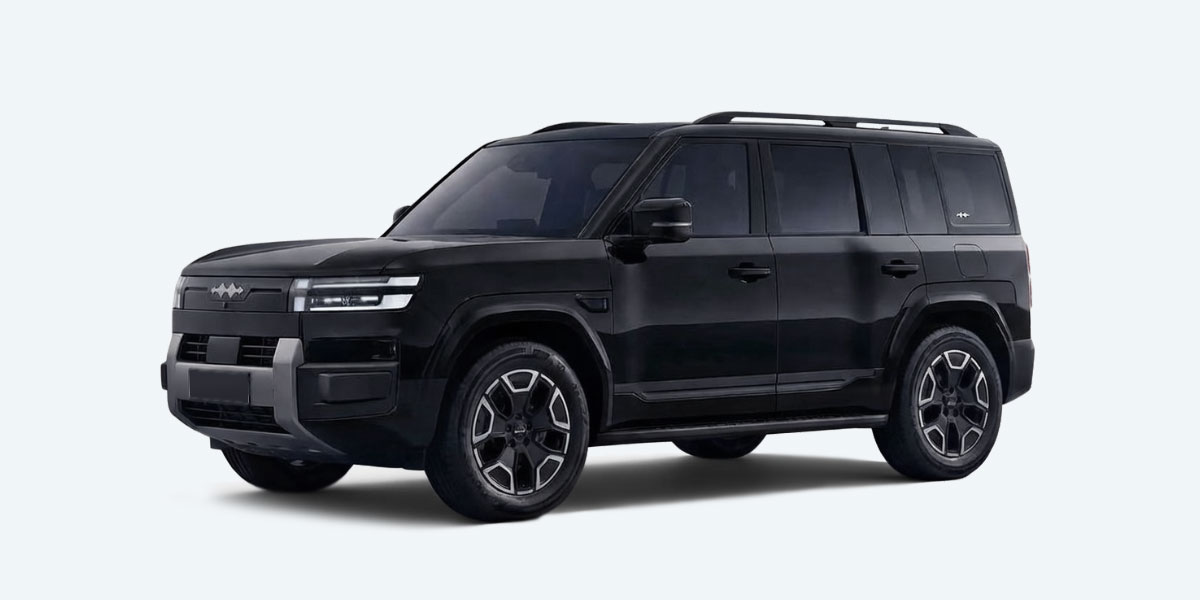
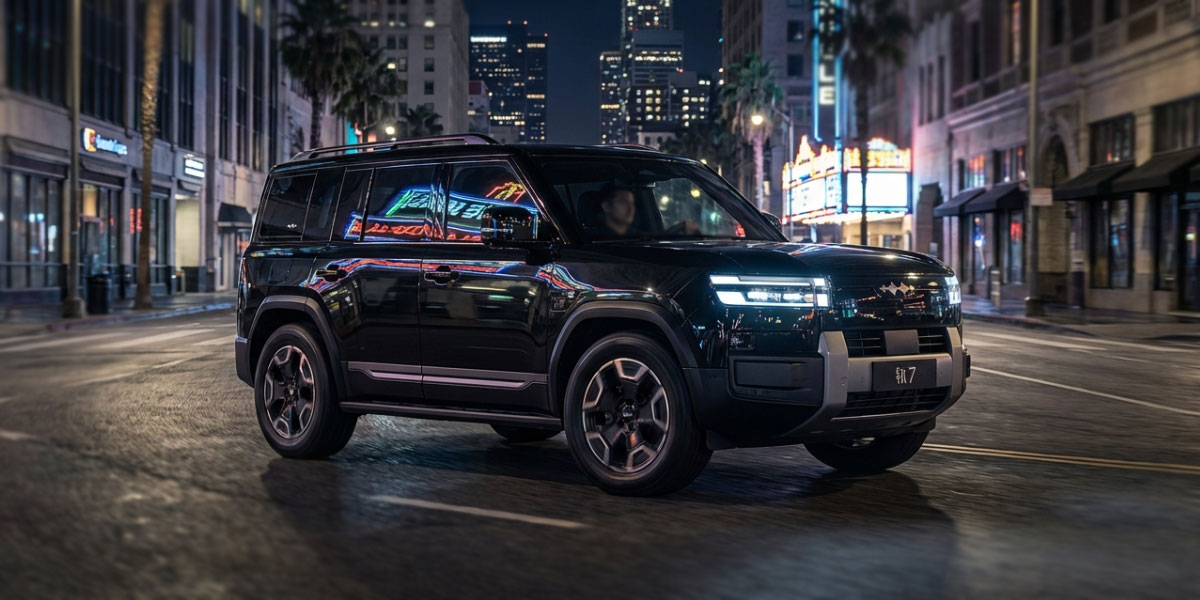
Exterior and Interior photos of Fang Cheng Bao Tai 7 BEV 2026
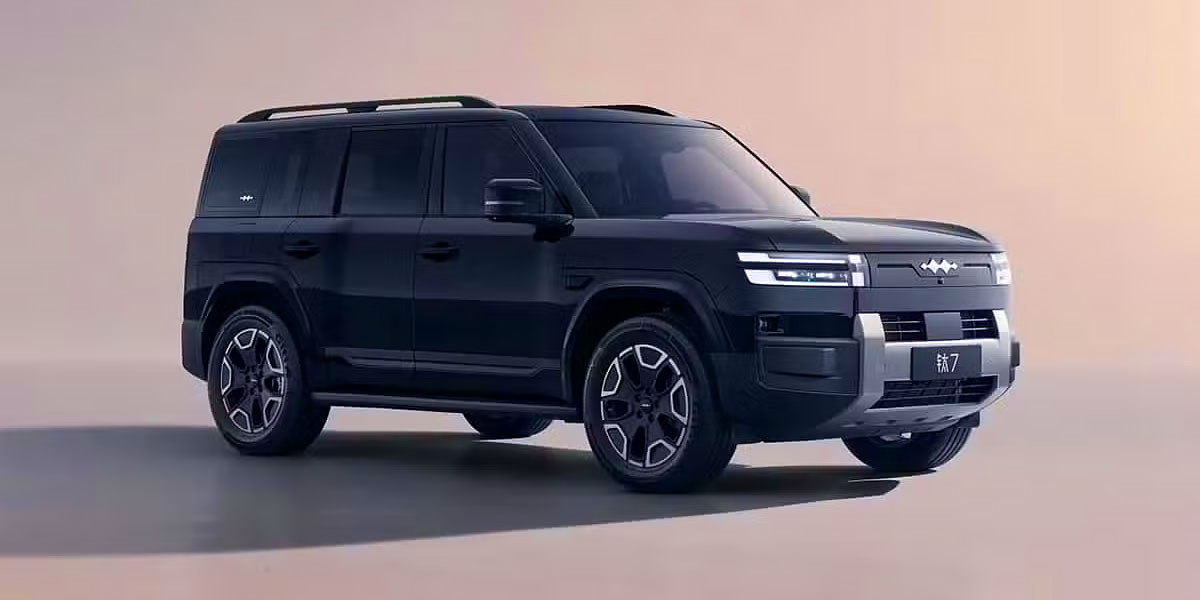
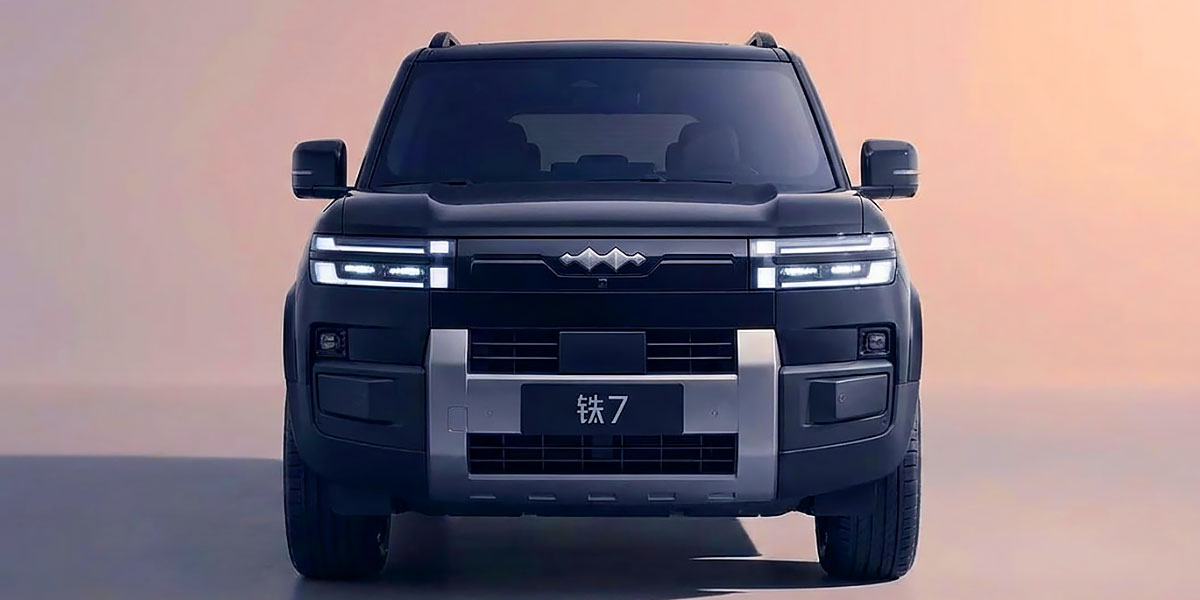
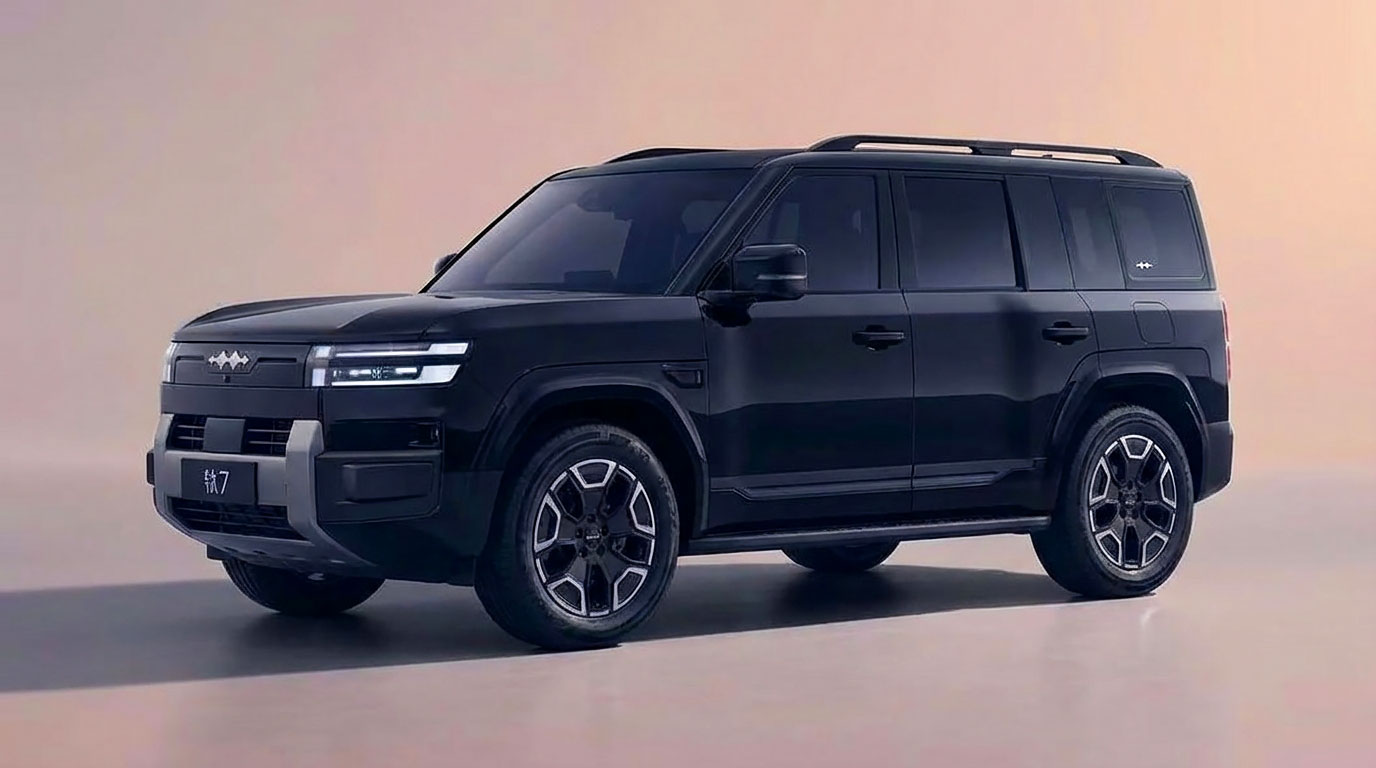
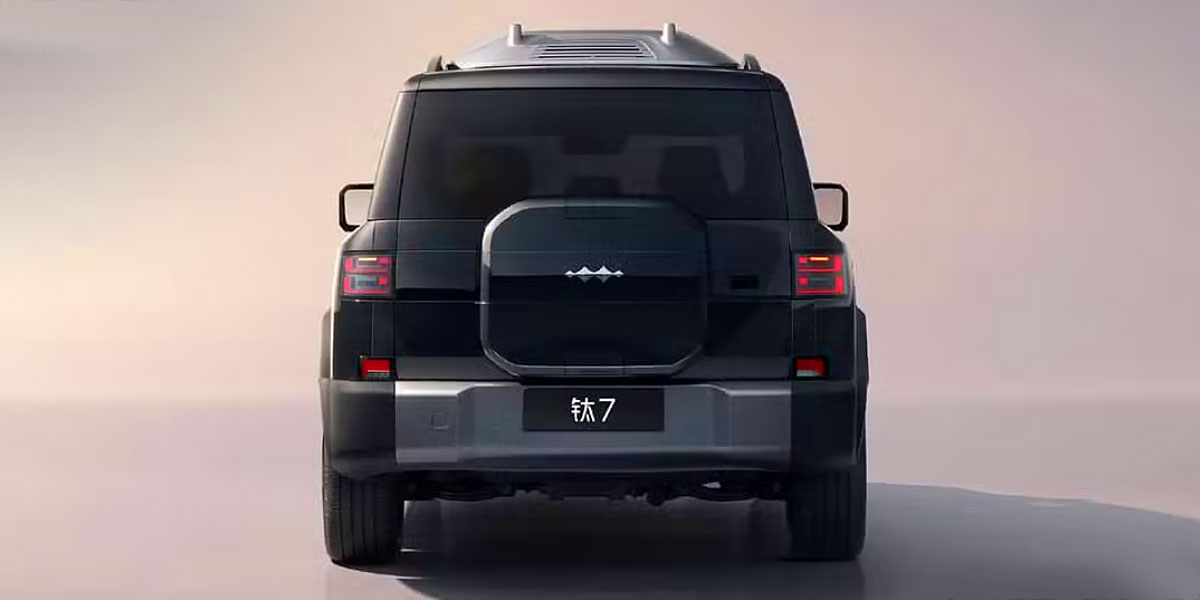
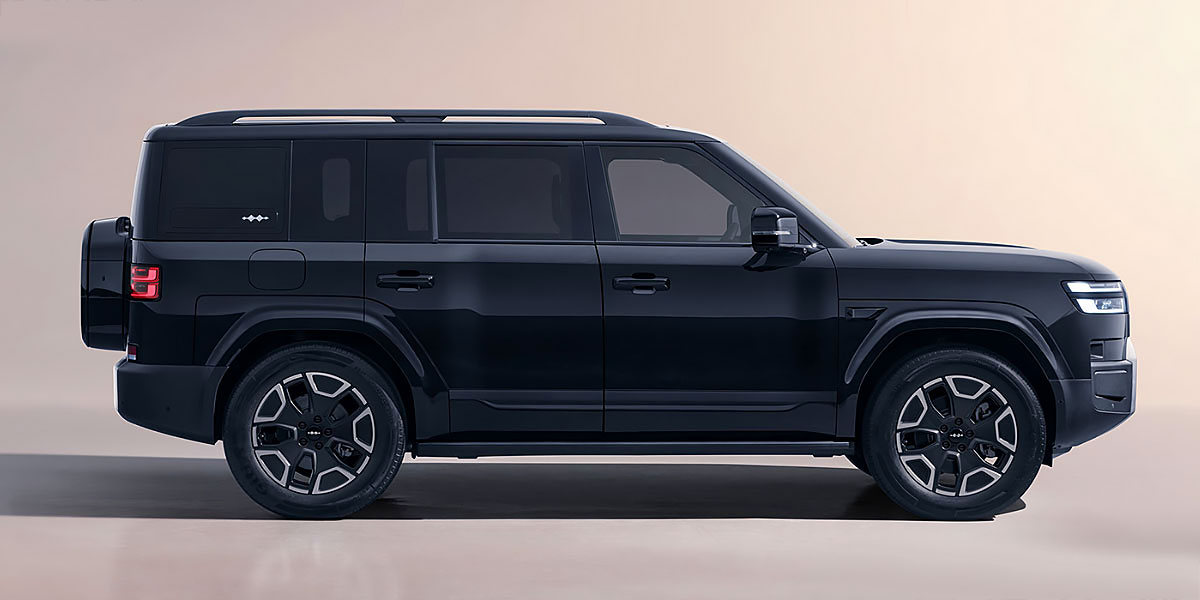

Fang Cheng Bao Tai 7 BEV 2026 Review
Fang Cheng Bao Tai 7 BEV 2026 Introduction:
Fang Cheng Bao Tai 7 BEV arrives as a mid to large electric luxury SUV engineered in China for drivers who crave rugged attitude with silent propulsion. BYD builds it under its high end off road sub brand, targeting adventurous families who value sustainability and real road presence. The 2026 model year launches with a 92 kWh Blade Battery and a 300 kW output, translating to 402 hp and brisk acceleration. Range reaches 610 km under CLTC testing, roughly 379 miles, which positions it among long range family EV contenders. With a starting price of $34,900 USD (€29,560), it undercuts several Western rivals while delivering premium hardware. And yes, it leans heavily into advanced software, autonomous driving assistance, and an 800V charging system that promises short pit stops.
- Manufactured by BYD Auto in China, with global rollout expected mid 2026.
- Unveiled as the pure electric successor to the range extended Tai 7, shifting fully to BEV architecture.
- Base trim launches at $34,900 USD (€29,560), positioned as a premium yet attainable electric SUV.
- Key highlights include 800V fast charging, DiPilot 300 assistance, and a 610 km rated range.
- Designed for families seeking a rugged battery electric SUV with upscale comfort.
What Is the Price of Fang Cheng Bao Tai 7 BEV?
The Fang Cheng Bao Tai 7 BEV price starts at $34,900 USD (€29,560). That figure positions it in the premium electric SUV bracket while remaining accessible compared with Western luxury EVs. For buyers chasing more equipment or performance, higher trims raise the bar without straying into six figure territory.
| Trim Level | PRICE | KEY FEATURES |
|---|---|---|
|
Tai 7 BEV Pro
|
RWD with 300 kW or 402 hp. 92 kWh battery delivers up to 610 km or 379 miles CLTC. 0 to 62 mph in 5.9 seconds. 800V system supports 10 to 80 percent charge in 18 minutes. 20 inch wheels, DiSus C suspension, triple screen cockpit.
|
|
|
Tai 7 BEV Max
|
Enhanced long range calibration with similar 92 kWh capacity. Extended comfort package, Nappa leather, panoramic roof, 20 speaker audio. Maintains 240 km per hour or 149 mph top speed.
|
|
|
Tai 7 BEV Ultra
|
High performance AWD configuration. Dual motor layout increases traction. Advanced autonomous suite, expanded off road modes, upgraded wheels, and luxury interior enhancements.
|
Each trim builds upon the same architectural core. The Pro serves as the sweet spot, offering substantial power and long range credentials. The Max leans toward comfort and digital indulgence. The Ultra appeals to buyers who demand dual motor traction and extra punch. Across the board, the Fang Cheng Bao Tai 7 BEV price undercuts several imported electric luxury SUV rivals while delivering comparable output and technology.
Engine, Battery, and Performance Specs:
Battery & Charging Specifications
The 92 kWh Blade Battery anchors the platform. Under CLTC testing, range reaches 610 km, about 379 miles, placing it among serious long range family EV options. Real world distance will vary with terrain and climate, especially during off road use. Thanks to an 800V fast charging SUV architecture, the battery replenishes from 10 to 80 percent in roughly 18 minutes on DC high power chargers. That brief stop resembles a coffee break rather than a lunch break.
- Battery capacity: 92 kWh lithium iron phosphate Blade Battery.
- Range: 610 km CLTC, around 379 miles.
- DC charging 10 to 80 percent: 18 minutes.
- 800V electrical system for higher efficiency and reduced heat.
Electric Motor Specifications
A rear mounted motor produces 300 kW, equivalent to 402 hp. Torque peaks at 480 Nm, or 354 lb ft, delivering immediate thrust. Rear wheel drive configuration keeps steering crisp while maintaining traditional SUV dynamics. The powertrain feels energetic despite a curb weight of 2,550 kg, about 5,622 lb. That mass sits low in the chassis thanks to the floor mounted battery, lowering the center of gravity.
- Power output: 300 kW or 402 hp.
- Torque: 480 Nm or 354 lb ft.
- Drive type: Rear wheel drive standard.
- Curb weight: 2,550 kg or 5,622 lb.
Performance Specifications
Acceleration from 0 to 100 km per hour takes 5.9 seconds, equal to 0 to 62 mph in the same time. Top speed reaches 240 km per hour, roughly 149 mph, rare territory for a mid to large electric SUV. Regenerative braking adapts to navigation inputs, increasing recuperation on descents. DiSus C hydraulic body control refines ride height and damping in real time, especially over sand or snow.
- 0 to 100 km per hour: 5.9 seconds.
- Top speed: 240 km per hour or 149 mph.
- Adaptive suspension: DiSus C intelligent control.
- Multiple terrain modes: sand, mud, snow.
For potential owners, the appeal lies in balance. You gain strong acceleration, practical range, and fast charging convenience. And you retain genuine off road hardware. That mix suits families who want silent cruising on weekdays and gravel trails on weekends.
Exterior and Interior Features
Exterior Design
The silhouette leans boxy and upright, echoing classic off road icons. Dimensions measure 4,999 mm long, 1,995 mm wide, and 1,865 mm tall, translating to 196.8 by 78.5 by 73.4 inches. A 2,920 mm wheelbase, about 115 inches, supports cabin space and stability. Twenty inch aero optimized wheels fill muscular arches. An enclosed grille area signals electric identity, while rectangular LED lighting sharpens the visual signature. A roof mounted LiDAR module hints at high level autonomous driving capabilities. The side opening tailgate and external storage box enhance practicality.
Interior & Technology
Inside, digital real estate dominates. A 15.6 inch central touchscreen pairs with a 12.3 inch driver display and a 26 inch augmented reality head up display. Rear passengers access 13 inch screens for entertainment. Materials include Nappa leather and sustainable wood veneers. A 4.5 liter onboard refrigerator cools drinks or warms meals. The cargo area offers 650 liters, about 22.9 cubic feet, expanding to 1,880 liters or 66.4 cubic feet with seats folded. That space suits camping gear or sports equipment.
Exterior toughness aligns with interior comfort. Families receive technology heavy surroundings without sacrificing cargo room. And drivers enjoy commanding sight lines paired with digital clarity. That synergy supports daily commuting and extended road trips alike.
Pros and Cons:
Pros
- Strong 402 hp output with rapid 5.9 second acceleration.
- 610 km CLTC range supports long distance travel.
- 800V charging reduces downtime.
- Advanced DiPilot 300 autonomous features.
- Spacious cargo area and premium cabin materials.
Cons
- Brand recognition remains limited in some Western markets.
- High curb weight influences efficiency during aggressive driving.
- CLTC range rating may exceed real world expectations.
Market position & Expert Data:
The Fang Cheng Bao Tai 7 BEV enters a competitive electric SUV arena in 2026. According to Reuters, global EV sales surpassed 17 million units in 2025, reflecting sustained double digit growth. Research shows premium electric SUVs capture a rising share of that volume, especially in China and Europe. Data reveals consumers increasingly prioritize long range battery electric SUV models with fast charging and advanced software.
According to McKinsey, over 60 percent of surveyed EV buyers in 2025 ranked charging speed and digital features among top purchase criteria. That statistic aligns closely with the 800V system and DiPilot 300 suite. In comparison with rivals such as Rivian R1S or electric Defender prototypes, the pricing strategy appears aggressive. The Fang Cheng Bao Tai 7 BEV leverages BYD battery dominance to secure cost advantages while maintaining performance credibility.
Conclusion:
Fang Cheng Bao Tai 7 BEV delivers a rare mix of luxury, rugged design, and credible electric range. With 402 hp, 610 km CLTC range, and 800V charging, it answers modern family needs with technical depth. Pricing from $34,900 USD (€29,560) enhances its global appeal. For buyers seeking a boxy electric SUV that handles trails and city streets with equal confidence, it stands as a compelling 2026 contender.
Watch the Video Overview

Full Specifications List:
Model Specs
| Specification | Actual Data |
|---|---|
|
Model Name
|
Tai 7 BEV
|
|
Model Year
|
2026
|
|
Manufacturer
|
BYD Auto
|
|
Brand Line
|
Fang Cheng Bao high end off road brand
|
|
Vehicle Class
|
Mid to large luxury SUV
|
|
Country of Origin
|
China
|
Performance
| Specification | Actual Data |
|---|---|
|
Power Type
|
Electric
|
|
Powertrain
|
Battery electric vehicle BEV
|
|
Drive Type
|
Rear wheel drive RWD
|
|
Power Output
|
300 kW (402 hp)
|
|
Torque
|
480 Nm (354 lb ft)
|
|
Acceleration 0 to 100 km per hour
|
5.9 seconds (0 to 62 mph in 5.9 seconds)
|
|
Top Speed
|
240 km per hour (149 mph)
|
Battery and Charging
| Specification | Actual Data |
|---|---|
|
Battery Capacity
|
92 kWh
|
|
Battery Type
|
Blade Battery LFP chemistry
|
|
Nominal Voltage Architecture
|
800V architecture
|
|
DC Fast Charging Window
|
10 percent to 80 percent
|
|
DC Charging Time 10 to 80 percent
|
18 minutes
|
Estimated Range Data
| Specification | Actual Data |
|---|---|
|
CLTC Electric Range
|
610 km (379 miles)
|
|
EPA Electric Range
|
Pending certification
|
|
WLTP Electric Range
|
Pending certification
|
|
City Range
|
Pending regional testing
|
|
Highway Range
|
Pending regional testing
|
|
Cold Weather Range
|
Pending seasonal testing
|
Body Specifications
| Specification | Actual Data |
|---|---|
|
Length
|
4,999 mm (196.8 in)
|
|
Width
|
1,995 mm (78.5 in)
|
|
Height
|
1,865 mm (73.4 in)
|
|
Wheelbase
|
2,920 mm (115.0 in)
|
|
Curb Weight
|
2,550 kg (5,622 lb)
|
|
Cargo Capacity
|
650 L (22.9 cu ft), 1,880 L seats down (66.4 cu ft)
|
Exterior Design Features
| Specification | Actual Data |
|---|---|
|
Design Theme
|
Boxy off road inspired silhouette with premium stance
|
|
Wheels
|
20 inch aero optimized wheels (508 mm)
|
|
Lighting
|
Rectangular LED headlight signature
|
|
Active Aerodynamics
|
Active shutter system, smooth underbody tray
|
|
Autonomy Sensor Hardware
|
Roof mounted LiDAR sensor
|
|
Rear Access
|
Side opening tailgate with external storage box or spare tire mount
|
Interior Design and Materials
| Specification | Actual Data |
|---|---|
|
Upholstery
|
Nappa leather
|
|
Trim Materials
|
Sustainable wood veneers
|
|
Color Themes
|
Gray, Orange, Blue
|
|
Steering Wheel
|
D shaped four spoke steering wheel
|
Cabin Technical Features
| Specification | Actual Data |
|---|---|
|
Center Display
|
15.6 inch floating touchscreen (396 mm)
|
|
Driver Display
|
12.3 inch digital cluster (312 mm)
|
|
Head Up Display
|
26 inch augmented reality HUD (660 mm)
|
|
Rear Entertainment
|
13 inch BYD Pad screens (330 mm)
|
|
Audio System
|
20 speaker high fidelity system
|
|
Onboard Refrigerator
|
4.5 L heating and cooling fridge (0.16 cu ft)
|
|
Driver Assistance Suite
|
Gods Eye DiPilot 300 autonomous suite
|
|
Chassis Control
|
DiSus C intelligent hydraulic body control
|
|
Utility Power
|
High wattage trunk power outlet system for appliances
|
Comparison:
Fang Cheng Bao Tai 7 BEV plays a different game than Xpeng GX, Huawei Aito M6, GAC Aion i60 2026, and AUDI E7X 2026. Two rivals push 650 km class range, yet one focuses on premium badge logic. Another aims at mainstream family value. And one chases the budget lane. The result feels like a price range tug of war, with battery size and speed telling the real story.
| EV Model | PRICE (USD) | KEY FEATURES | EV PAGE |
|---|---|---|---|
|
Fang Cheng Bao Tai 7 BEV
|
Model Year 2026, Manufactured in China, Range 379.0 miles (610 km), Battery 92 kWh, Drive Type RWD, Acceleration 0 to 62 mph (0 to 100 km h) 5.9 sec, Top Speed 149.1 mph (240 km h), Power 402 hp (299.8 kW) |
||
|
Xpeng GX
|
Model Year 2027, Manufactured in China, Range 403.9 miles (650 km), Battery 100 kWh, Drive Type RWD, Acceleration 0 to 62 mph (0 to 100 km h) 6.5 sec, Top Speed 124.3 mph (200 km h), Power 362 hp (269.9 kW) |
View | |
|
Huawei Aito M6
|
Model Year 2026, Manufactured in China, Range 372.8 miles (600 km), Battery 82 kWh, Drive Type RWD, Acceleration 0 to 62 mph (0 to 100 km h) 7.1 sec, Top Speed 118.1 mph (190 km h), Power 268 hp (199.8 kW) |
View | |
|
GAC Aion i60 2026
|
Model Year 2026, Manufactured in China, Range 248.5 miles (400 km), Battery 47.8 kWh, Drive Type FWD, Acceleration 0 to 62 mph (0 to 100 km h) 7.9 sec, Top Speed 99.4 mph (160 km h), Power 201 hp (149.9 kW) |
View | |
|
AUDI E7X 2026
|
Model Year 2026, Manufactured in China, Range 403.9 miles (650 km), Battery 100 kWh, Drive Type RWD, Acceleration 0 to 62 mph (0 to 100 km h) 6.5 sec, Top Speed 124.3 mph (200 km h), Power 402 hp (299.8 kW) |
View |
Range and Real World Usability Comparison
Two models headline the range specs with 403.9 miles (650 km), and that matters for interstate days and long European motorways. The BYD off road oriented SUV follows at 379.0 miles (610 km), still road trip credible. Huawei Aito M6 sits close at 372.8 miles (600 km), which fits weekly commuting plus weekend runs. GAC Aion i60 lands at 248.5 miles (400 km), better for metro routines and shorter hops.
Battery Capacity and Range Efficiency Logic
Battery size shapes the range narrative. The 100 kWh pack on Xpeng GX and AUDI E7X supports 650 km class distance, though it carries a heavier energy budget per charge. The 92 kWh pack pushes 610 km, hinting at tighter energy management. Huawei Aito M6 uses 82 kWh for 600 km, a strong range to capacity ratio on paper. GAC Aion i60 keeps 47.8 kWh and aims at value minded efficiency.
Charging Time and Daily Convenience
Fast charging defines daily convenience more than top speed specs. Fang Cheng Bao Tai 7 BEV targets quick turnaround with a 10 to 80 percent DC session in 18 minutes, which works for lunch stop refuels. The compare pages list battery size and range, yet they omit a standardized 10 to 80 charging time field. That gap matters for shoppers. Verify charge curves and peak rates before treating range numbers as travel time guarantees.
Price Positioning and Value Logic
Price logic draws the map fast. Fang Cheng Bao Tai 7 BEV enters at $34,900, sitting near Huawei Aito M6 at $35,200, yet it posts stronger acceleration specs. Xpeng GX and AUDI E7X step into premium pricing at $57,650 and $55,000, paying extra for 100 kWh range headroom and brand positioning. GAC Aion i60 at $16,820 owns the budget lane, trading range and speed for affordability and simpler daily EV ownership.