BYD Song Ultra 2026
BYD Song Ultra is a 2026 mid size electric SUV built on BYD e Platform 3.0. It features a 75.6 kWh Blade Battery, up to 620 km or 385 miles of CLTC range, and a 270 kW rear motor producing 362 hp. Acceleration to 100 km per hour takes 5.5 seconds, with a top speed of 210 km per hour. Starting at $26,050 USD (€22,241), it targets buyers seeking high performance and advanced driving technology at a competitive price.
User Rating: 3 / 5 (29 votes)


| Body Type | SUV |
| Model Year | 2026 |
| Manufactured in | China |
| Battery Capacity (kWh) | 75.6 |
| Electric range (km) | 620 |
| Max. Speed (km/h) | 210 |
| Acceleration 0-100 km/h (sec) | 5.5 |
| Power (h.p.) | 362 |
| Power Type | electric |
| Drive Type | RWD |
* Minimum price set for the base trim by the manufacturer

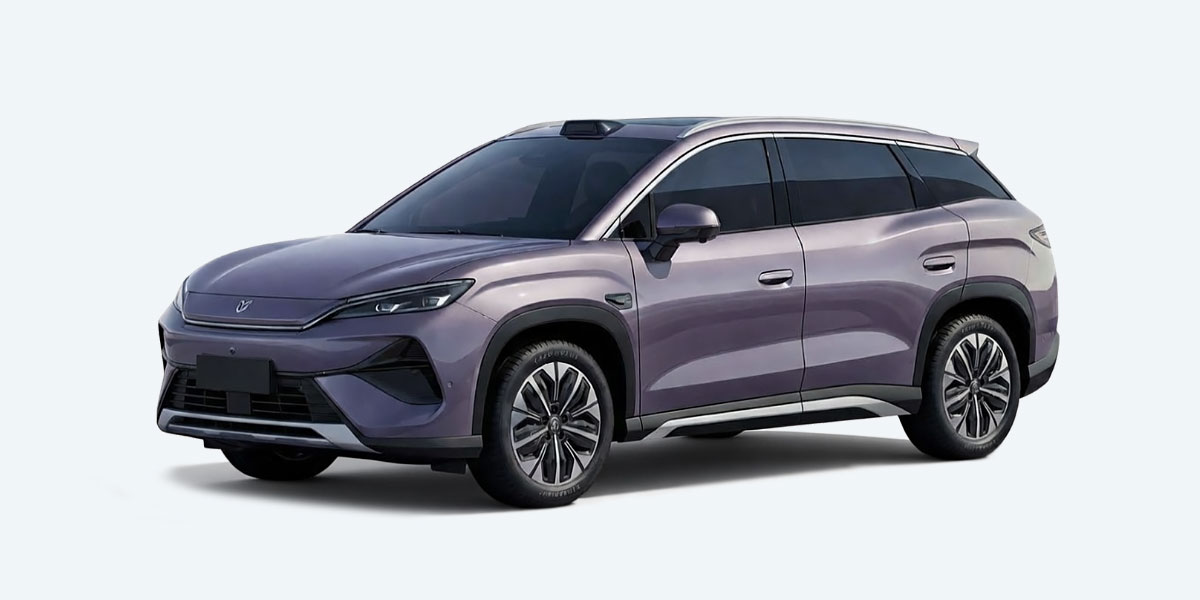
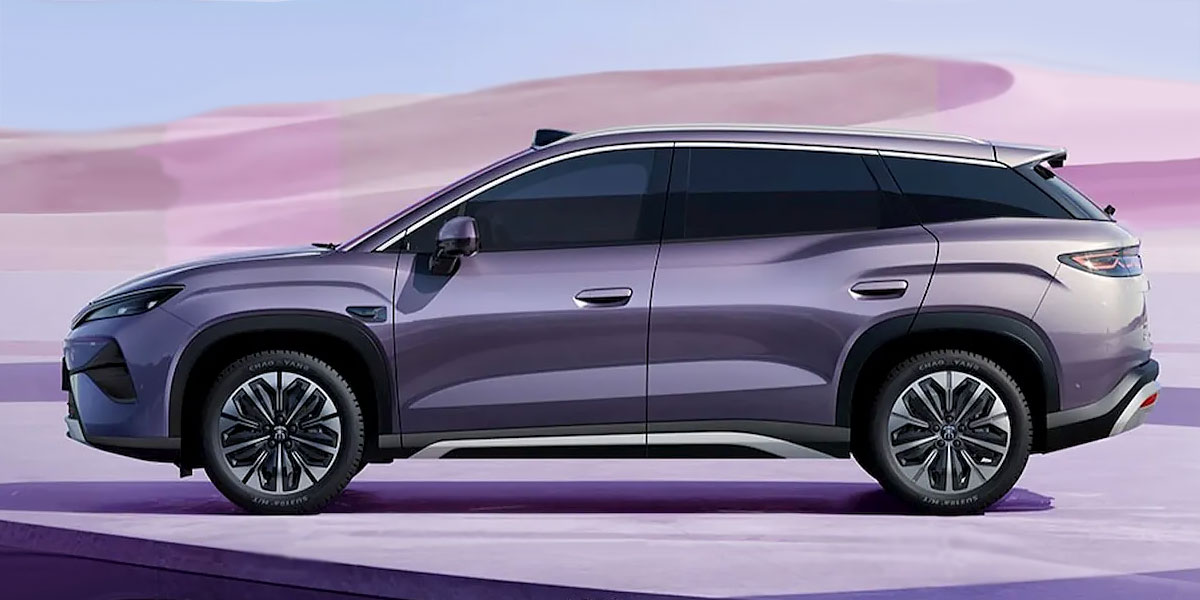
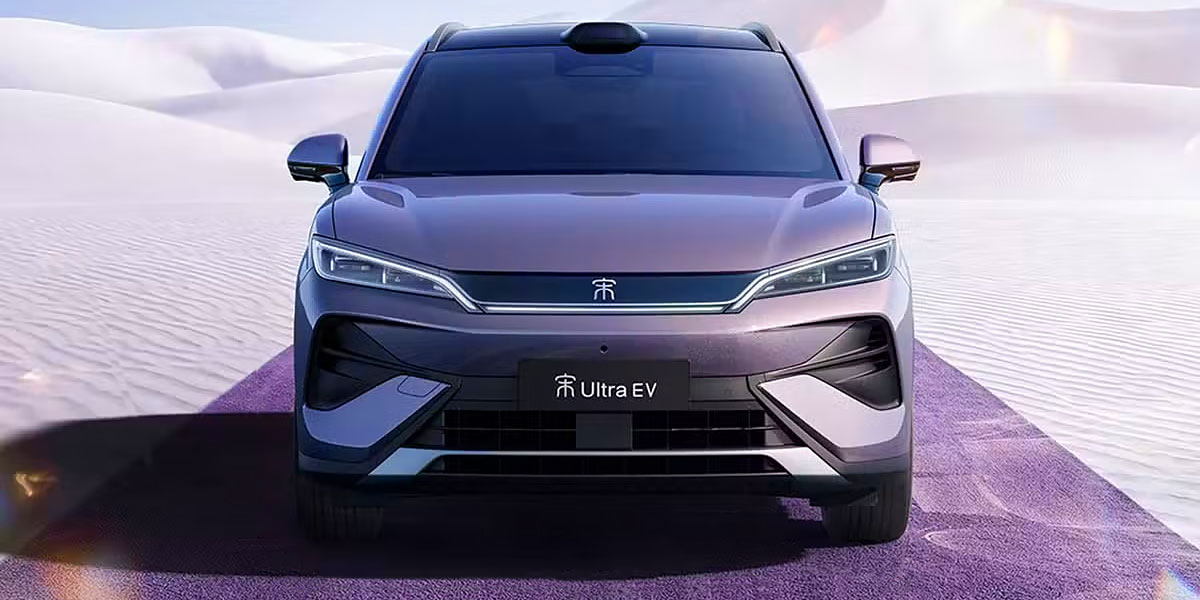
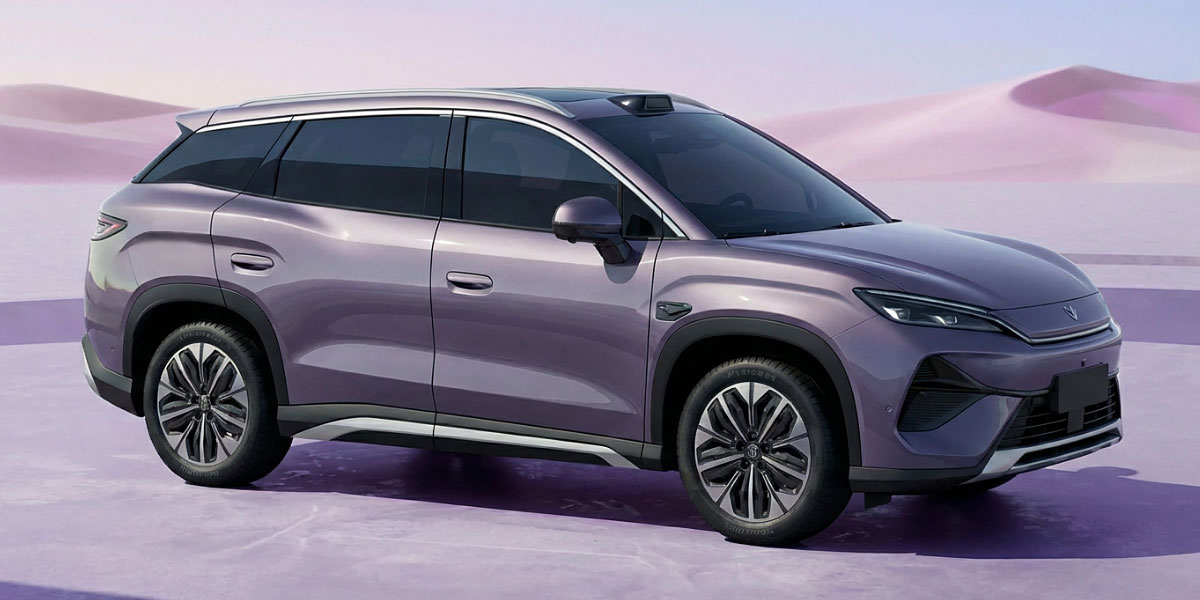
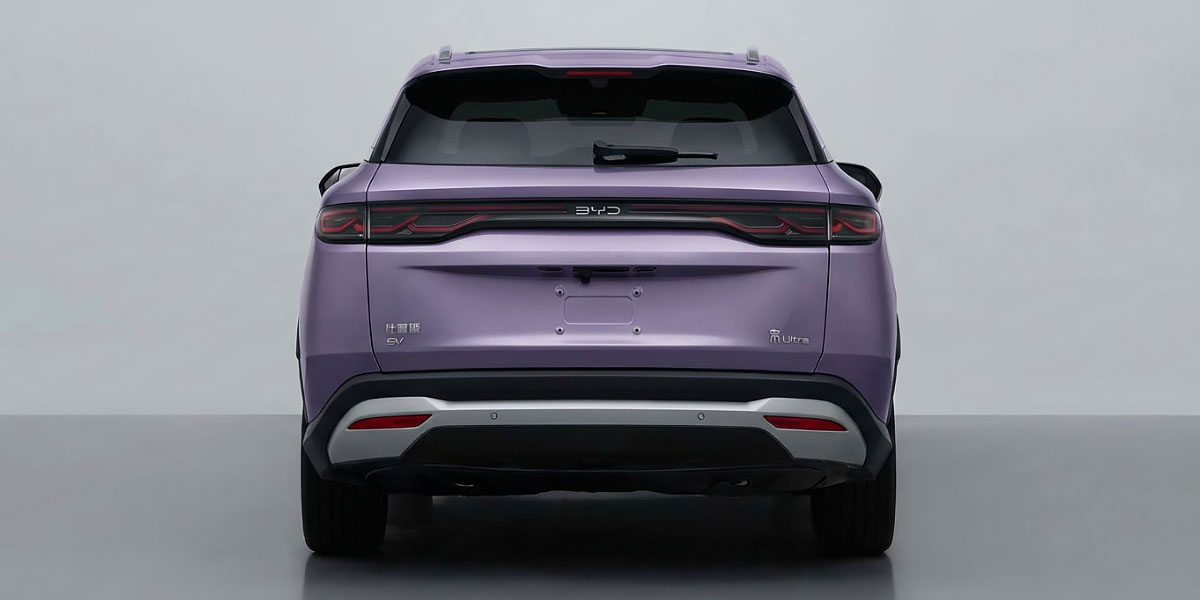
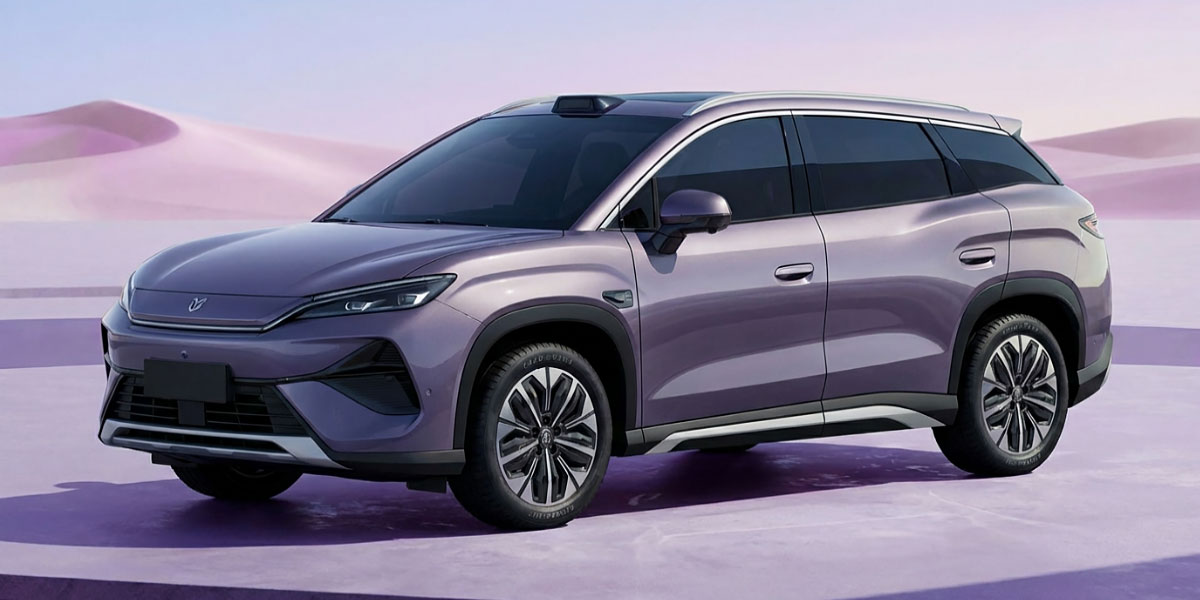
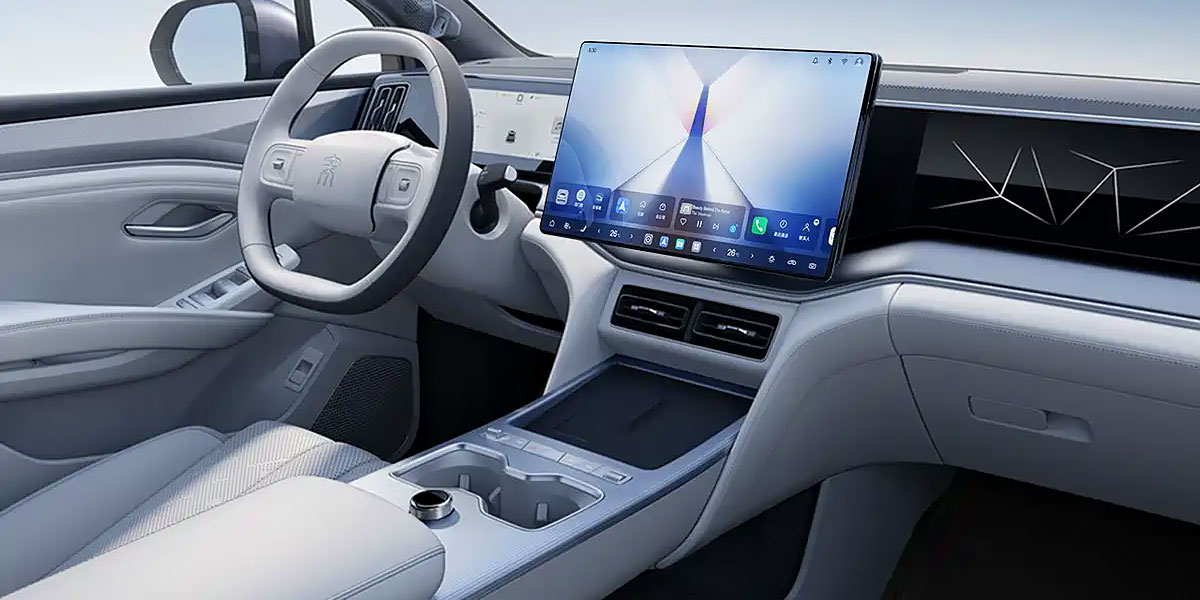
Exterior and Interior photos of BYD Song Ultra 2026
BYD Song Ultra 2026 Review
BYD Song Ultra 2026 Introduction:
BYD Song Ultra lands in 2026 as a mid size electric SUV that raises expectations in the Dynasty series. Built in China on the advanced e Platform 3.0 architecture, it targets drivers who want brisk acceleration and serious driving tech. Power comes from a 270 kW rear motor, equal to 362 hp, pushing a rear wheel drive layout. A 75.6 kWh Blade Battery technology pack feeds up to 620 km of CLTC range, about 385 miles. Top speed reaches 210 km per hour, or 130 mph. And pricing starts at $26,050 USD (€22,241), which places it squarely in value territory for a premium electric crossover. The formula feels simple. Big power. Long range. Advanced safety. Competitive pricing.
- Manufactured in China as the first B segment pure electric SUV in the Dynasty lineup.
- Unveiled in February 2026 with optional roof mounted LiDAR autonomous driving hardware.
- Base price set at $26,050 USD (€22,241), positioned below many global rivals.
- Engineered to bridge compact and large SUV segments with a 2,840 mm wheelbase.
- Focused on high output performance and advanced driver assistance in one package.
What is the Price of the BYD Song Ultra 2026?
The BYD Song Ultra price starts at $26,050 USD (€22,241). That figure plants it firmly in the affordable mid size electric SUV class, yet the output and equipment rival vehicles costing far more. For shoppers comparing electric SUV price lists in 2026, it immediately stands out.
| Trim Level | PRICE | KEY FEATURES |
|---|---|---|
|
Standard 75.6 kWh
|
RWD layout with 270 kW, 362 hp output. Delivers up to 620 km or 385 miles CLTC range from a 75.6 kWh Blade Battery. 0 to 62 mph in 5.5 seconds. DC charging from 10 to 80 percent in about 25 minutes on 800V systems.
|
|
|
Long Range 82.7 kWh
|
Expanded battery pack for extended driving radius. Maintains strong rear motor output and advanced intelligent cockpit features. Targets drivers who prioritize extended electric SUV range and highway touring.
|
|
|
Intelligent Driving Edition LiDAR
|
Adds roof mounted LiDAR and advanced driver assistance. Integrates high level semi autonomous capability with augmented reality head up display and DiSus C adaptive damping.
|
Each trim keeps the core DNA intact. Strong rear drive character. Long electric range. Fast charging. The higher grades layer on more battery capacity or advanced intelligent driving hardware. For families and tech focused buyers, the value equation looks compelling in 2026.
Engine, Battery, and Performance Specs:
Battery & Charging Specifications
The 75.6 kWh LFP Blade Battery anchors the lineup. On the CLTC cycle, it delivers up to 620 km, roughly 385 miles. Real world figures will vary, yet the chemistry favors thermal stability and longevity. DC fast charging from 10 to 80 percent takes about 25 minutes on compatible 800V chargers. A heat pump system preserves efficiency in cold climates. And that matters in Chicago winters as much as in Northern Europe.
- Battery capacity 75.6 kWh LFP Blade pack
- Range 620 km CLTC, about 385 miles
- DC charging 10 to 80 percent in 25 minutes
- 800V high speed charging support
Electric Motor Specifications
A single permanent magnet synchronous motor drives the rear wheels. Output stands at 270 kW, equal to 362 hp. Torque is estimated at 450 Nm, or 332 lb ft. The layout favors balance and predictable handling. Thanks to e Platform 3.0, weight distribution approaches 50 to 50. That configuration promotes sharper turn in and confident highway stability.
- Power 270 kW or 362 hp
- Estimated torque 450 Nm or 332 lb ft
- Drive type rear wheel drive
- Eight in one integrated electric powertrain
Performance Specifications
Acceleration from 0 to 100 km per hour, or 0 to 62 mph, takes about 5.5 seconds. That feels brisk for a mid size family crossover weighing around 1,990 kg, or 4,387 pounds. Top speed reaches 210 km per hour, about 130 mph. DiSus C intelligent damping adjusts suspension in real time, reducing body motion. Regenerative braking features multiple levels, including adaptive deceleration based on traffic flow.
- 0 to 100 km per hour in 5.5 seconds
- Top speed 210 km per hour or 130 mph
- Curb weight 1,990 kg or 4,387 lb
- Adaptive damping suspension system
For daily commuting and spirited driving alike, the specs speak clearly. Strong output. Balanced chassis. Fast charging. It caters to both tech enthusiasts and practical families seeking a capable electric SUV.
Exterior and Interior Features
Exterior Design
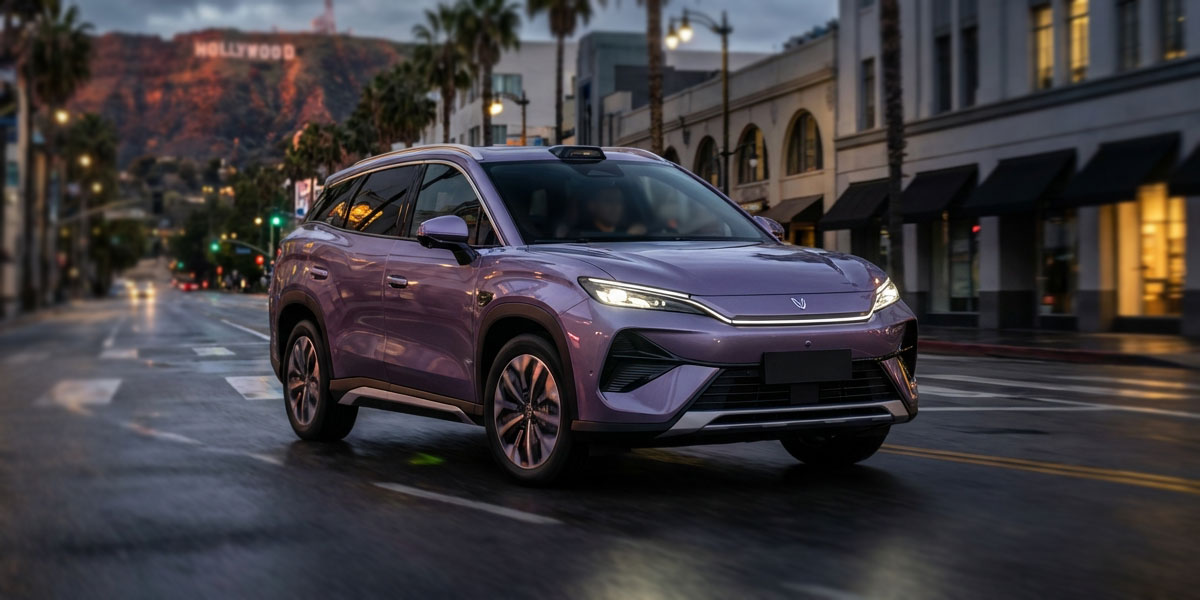
Dragon Face styling defines the exterior. Slim LED headlights stretch wide across the front fascia. A full width light bar creates a modern signature at night. Dimensions measure 4,850 mm long, 1,910 mm wide, and 1,670 mm tall, equal to 190.9 inches by 75.2 inches by 65.7 inches. The 2,840 mm wheelbase, about 111.8 inches, supports generous cabin space. Flush door handles and aero optimized 19 inch wheels help manage airflow. Optional roof mounted LiDAR integrates neatly above the windshield.
Interior & Technology
Inside, a 15.6 inch rotating touchscreen dominates the dashboard. A 12.3 inch digital cluster sits ahead of the driver. An augmented reality head up display projects navigation cues. Nappa leather seating and eco friendly materials enhance perceived quality. Front seats feature electric adjustment, heating, and ventilation. Cargo space measures 550 liters, around 19.4 cubic feet, suitable for family travel. Connectivity includes 5G data, wireless smartphone integration, and a 10 speaker audio system.
The overall impression feels upscale without straying into excess. Families gain room and technology. Drivers gain clarity and ergonomic logic. The layout supports daily errands and longer road trips with equal confidence.
Pros and Cons:
Pros
- Strong 362 hp rear drive performance
- Competitive starting price at $26,050 USD (€22,241)
- 620 km CLTC range from 75.6 kWh battery
- Optional LiDAR intelligent driving system
- Spacious cabin with advanced digital cockpit
Cons
- Brand depreciation concerns in some markets
- Charging network strength varies by region
- Single motor layout in base configuration
Market position & Expert Data:
The BYD Song Ultra enters 2026 in a fiercely competitive electric SUV market. According to Reuters, global EV sales rose by more than 30 percent in 2025, driven by strong demand in China and Europe. Research from McKinsey highlights that battery electric vehicles now account for over 18 percent of global light vehicle sales. Data reveals mid size electric crossovers represent one of the fastest growing sub segments.
Industry analysts note that vehicles priced below $30,000 USD gain rapid traction in emerging markets. Harvard Business Review reports that cost parity with combustion vehicles accelerates adoption across urban centers. With a base price of $26,050 USD (€22,241), strong 270 kW output, and LiDAR capability, it positions itself as a high value alternative to Tesla Model Y and Hyundai rivals in 2026.
Conclusion:
BYD Song Ultra brings serious performance, extended electric range, and advanced driving tech into an attainable price bracket. At $26,050 USD (€22,241), it challenges established competitors with 362 hp and 620 km of range. Families gain space and safety from the Blade Battery. Enthusiasts gain sharp rear drive dynamics. For 2026 buyers seeking a powerful yet practical electric SUV, it commands attention.
Watch the Video Overview

Full Specifications List:
Model Specs
| Specification | Actual Data |
|---|---|
|
Model Name
|
Song Ultra
|
|
Model Year
|
2026
|
|
Vehicle Class
|
Mid size SUV / Crossover
|
|
Body Style
|
5 door SUV
|
|
Manufacturer
|
BYD Auto
|
|
Country of Origin
|
China
|
Performance
| Specification | Actual Data |
|---|---|
|
Powertrain Type
|
Full electric BEV
|
|
Drive Type
|
Rear wheel drive RWD
|
|
Maximum Power
|
270 kW 362 hp
|
|
Maximum Torque
|
450 Nm 332 lb ft
|
|
Top Speed
|
210 km per hour 130 mph
|
|
Acceleration 0 to 100 km per hour
|
5.5 seconds 0 to 62 mph
|
Battery and Charging
| Specification | Actual Data |
|---|---|
|
Battery Capacity
|
75.6 kWh LFP Blade Battery
|
|
Battery Chemistry
|
Lithium Iron Phosphate LFP
|
|
Fast Charging Time
|
10 to 80 percent in 25 minutes DC
|
|
Charging Architecture
|
800V high speed system
|
Estimated Range Data
| Specification | Actual Data |
|---|---|
|
CLTC Electric Range
|
620 km 385 miles
|
|
Estimated Urban Range
|
Higher than highway due to regenerative braking efficiency
|
|
Estimated Highway Range
|
Lower than CLTC at sustained high speeds
|
Body Specifications
| Specification | Actual Data |
|---|---|
|
Length
|
4,850 mm 190.9 in
|
|
Width
|
1,910 mm 75.2 in
|
|
Height
|
1,670 mm 65.7 in
|
|
Wheelbase
|
2,840 mm 111.8 in
|
|
Curb Weight
|
1,990 kg 4,387 lb
|
|
Cargo Capacity
|
550 liters 19.4 cubic feet
|
Exterior Design Features
| Specification | Actual Data |
|---|---|
|
Design Language
|
Dragon Face styling
|
|
Lighting
|
Full width LED light bar front and rear
|
|
Wheels
|
19 inch alloy wheels 482.6 mm diameter
|
|
Driver Assistance Hardware
|
Optional roof mounted LiDAR sensor
|
Interior Design and Materials
| Specification | Actual Data |
|---|---|
|
Seating Material
|
Nappa leather with eco friendly trims
|
|
Front Seat Adjustment
|
8 way electric adjustment with heating and ventilation
|
|
Climate Control
|
Dual zone automatic with PM2.5 filtration
|
Cabin Technical Features
| Specification | Actual Data |
|---|---|
|
Central Display
|
15.6 inch rotating touchscreen 396 mm diagonal
|
|
Instrument Cluster
|
12.3 inch digital display 312 mm diagonal
|
|
Head Up Display
|
Augmented reality projection system
|
|
Connectivity
|
5G data link with wireless smartphone integration
|
|
Audio System
|
10 speaker high fidelity sound system
|
Comparison:
BYD Song Ultra lines up against Hyundai Kona Electric 2026, Toyota bZ4X Touring 2026, Huawei Aito M6 2026, and Li Auto i8 2026. The spread covers subcompact practicality, mainstream family duty, and a full size power play. Range numbers land close, yet charging rhythm and output change the daily story. So the winner depends on how often you road trip, and how picky you feel about pace.
| EV Model | PRICE (USD) | KEY FEATURES | EV PAGE |
|---|---|---|---|
|
BYD Song Ultra 2026
|
Model Year 2026, Manufactured in China, Range 385.3 miles (620 km), Battery 75.6 kWh, Drive Type RWD, Acceleration 0 to 62 mph (0 to 100 km h) 5.5 sec, Top Speed 130.5 mph (210 km h), Power 362 hp (269.9 kW) |
||
|
Hyundai Kona Electric 2026
|
Model Year 2026, Manufactured in South Korea, Range 234.3 miles (377 km), Battery 48.4 kWh, Drive Type FWD, Acceleration 0 to 62 mph (0 to 100 km h) 8.8 sec, Top Speed 100.7 mph (162 km h), Power 154 hp (114.8 kW) |
View | |
|
Toyota bZ4X Touring 2026
|
Model Year 2026, Manufactured in Japan, Range 275.9 miles (444 km), Battery 57.7 kWh, Drive Type FWD, Acceleration 0 to 62 mph (0 to 100 km h) 7.5 sec, Top Speed 99.4 mph (160 km h), Power 168 hp (125.3 kW) |
View | |
|
Huawei Aito M6 2026
|
Model Year 2026, Manufactured in China, Range 372.8 miles (600 km), Battery 82.0 kWh, Drive Type RWD, Acceleration 0 to 62 mph (0 to 100 km h) 7.1 sec, Top Speed 118.1 mph (190 km h), Power 268 hp (199.8 kW) |
View | |
|
Li Auto i8 2026
|
Model Year 2026, Manufactured in China, Range 341.8 miles (550 km), Battery 90.1 kWh, Drive Type AWD, Acceleration 0 to 62 mph (0 to 100 km h) 4.5 sec, Top Speed 111.8 mph (180 km h), Power 544 hp (405.7 kW) |
View |
Electric SUV Range and Real World Usability Comparison
On paper, the long leg award sits with 385.3 miles (620 km) and 372.8 miles (600 km), both aimed at fewer charging stops. The Toyota posts 275.9 miles (444 km), a tidy sweet spot for mixed commuting. The Hyundai lands at 234.3 miles (377 km), which fits city duty well. The Li Auto adds nuance, quoting about 311.0 miles (500 km) combined, and around 280.0 miles (450 km) highway.
EV Charging Time and Daily Convenience
Charging tempo shapes daily convenience more than peak power bragging. The 800V session hits 10 to 80 percent in about 25 minutes, which suits road trip resets. Toyota answers with about 28 minutes from 10 to 80 percent, a clean coffee break cadence. Hyundai takes about 41 minutes from 10 to 80 percent, so timing matters more. Huawei quotes 30 to 80 percent in about 25 minutes, plus 11 kW AC at home.
EV Price Positioning and Value Logic
Money talks, and sticker math sets expectations fast. BYD Song Ultra opens at $26,050, undercutting every rival here. Hyundai and Toyota sit in the mid $30,000 band, leaning on brand familiarity and mainstream ergonomics. Huawei adds a tech forward pitch at $35,200, with a larger 82.0 kWh pack. Li Auto jumps to $44,830, trading up to AWD muscle and full size space.
Power, Acceleration, and Everyday Passing Punch
Output tells a story even before the first on ramp. The Li Auto runs 544 hp (405.7 kW) and reaches 0 to 62 mph in 4.5 seconds, pure shove. The 362 hp (269.9 kW) rear drive setup feels lively, yet stays efficient. Huawei carries 268 hp (199.8 kW), tuned more for smooth torque than fireworks. Toyota and Hyundai prioritize calm traction and predictable response, with 168 hp (125.3 kW) and 154 hp (114.8 kW) respectively.